
Endoscopy Cost
Endoscopy & GI Procedure Cost Estimator (2026/2027)
Select your clinical procedure, healthcare setting, and insurance plan to estimate out-of-pocket expenses and fee breakdowns.
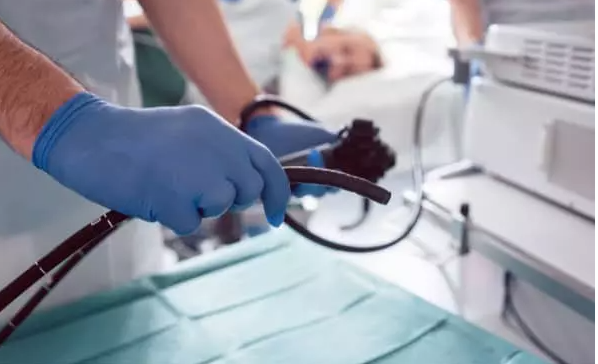
Endoscopy is an examination process that works to examine the internal organs like gastrointestinal tract, urinary tract, or reproductive tract, etc. The endoscopy used a natural entrance to enter its thin long tube inside the body ducts. The tube is attached with a camera from where the provider can see and examine the internal area.
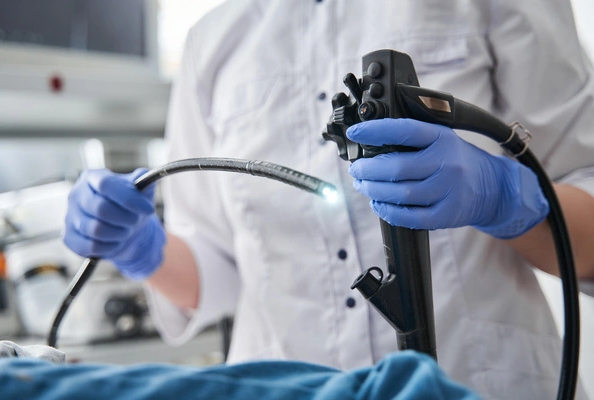
The natural entrances to insert endoscopy tube may be mouth, rectum, or vagina according to the area of examination. Your doctor or physician may recommend endoscopic examination if you’re experiencing particular symptoms. Commonly, a hospital endoscopic unit will perform it.
To examine the different organ systems of the body, endoscopy types may vary. Your symptoms and examination needs will determine the type of endoscopy.
Endoscopy forms
Here are some of the types of endoscopy according to National Institute of Health (NIH):
- Gastroscopy: This type of endoscopy uses the mouth as an entrance to examine oesophagus (food tube). It also examines the stomach, and a portion of the small intestinal tract.
- Colonoscopy: It refers to the examination of intestines.
- Cystoscopy: It is a procedure perform for the examination of bladder in the urethra
- Colposcopy: It refers to the examination of the cervix through vagina
- Hysteroscopy: It refers to the examination of womb (uterus) through vagina
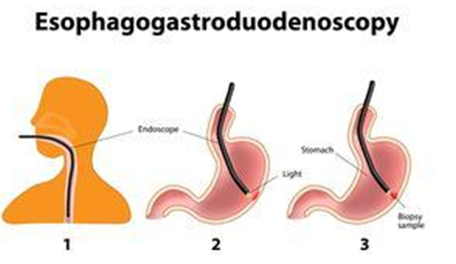
How Much Does an Endoscopy Cost?
The patient’s condition and type of endoscopic treatment have an impact on the total endoscopic cost. Different countries have variation in endoscopic costs.
- For Pakistan, endoscopic cost ranges between 15,000 to 150,000 Rupees.
- For the UK, gastroscopies cost ranges from £1,000 to £2,500, while colonoscopies have the cost range of £1,000 to £2,500.
- For the US, endoscopic cost varies from $986 to $2,016.
How Much Does an Endoscopy Cost without an Insurance?
The endoscopic examination will cost a lot of money in the absence of health insurance coverage. The overall average cost of an endoscopy is $2,700. the cost of an upper gastrointestinal endoscopy without insurance can reach up to $10,000.
The typical endoscopy cost ranges from $1,500 to $10,000 without insurance.
The factors affecting the costs include:
- the practitioner
- the location
- if anesthesia or sedation is utilized
- whether the treatment is done in a medical facility or a diagnostic center
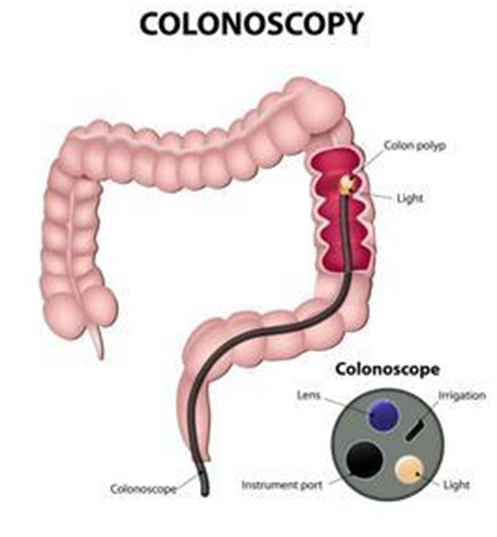
How Much Does an upper Endoscopy Cost?
An upper endoscopy in the United States typically falls between $986 and $2,016. Endoscopy costs without insurance is much more and it may exceed $10,000. You will have to pay a high cost for the treatment if your health insurance does not cover it.
How Much Does Endoscopy Cost with Insurance?
If your insurance coverage includes endoscopy examination, it would be a great benefit for you. Endoscopy cost may be minimum of $1,000. But it typically depends on your insurance plan’s specifications.
You will be responsible for paying a visit to the office co-pay and the treatment’s 10% to 50% premium out of pocket if your health insurance covers it. With regard to the specific insurance, the typical endoscopy cost can reach $1000 or higher.
How Much Endoscopy Cost?
The typical cost of endoscopic examination falls between $8,000 to $25,000. The complexity of patient’s condition put direct influence on overall cost of endoscopic treatments. The second factor that affect total cost is the location of the procedure. The cost will vary if the procedure is performed in a medical facility or a hospital.
There are different variables that effect endoscopic costs, including:
- Patient state
- healthcare facility
- Type of endoscopies
If your doctor needs some sort of biopsy, your total cost will increase by a few thousand dollars.
What is the Average Cost of Endoscopy?
In the US, an endoscopic examination costs $2,700 on the average. If your insurance policy does not cover endoscopy, the cost may reach up to $10,000.
How Much Does an Endoscopy Cost in the UK?
Exact endoscopy cost may vary in the UK. This cost is around £2,200 (on the average)
There are the following cost ranges:
- Gastroscopy cost is £1,000 to £2,500
- Colonoscopy cost is £1,200 to £3,000
If the endoscopic treatments involved a biopsy, it will put some additional cost. Biopsy involves removing a tiny sample of tissue for analysis. Sometimes, other expenses are also involved, like hospital hire fees.
How Much Does an Endoscopy Cost in America?
The endoscopy cost in America ranges from $1,250 to $4,800 without an insurance. The national average of endoscopic examination is approximately $2750.
There are some variables that affect this pricing to change and fluctuate, including:
- cost of the facility
- the anesthesiologist fees
- doctor costs who performs the endoscopy
Is Endoscopy Painful?
For most patients, endoscopy is not painful. What we do throughout the process and the sort of endoscopy that you have will determine this. Therefore, having a tube down the throat is usually not comfortable, especially if we perform a gastroscopy or a camera that is via the mouth. The upper endoscopic examination causes little or no pain (but some discomfort). The patient needs some rehabilitation after the examination.
Some of the post-procedure symptoms includes:
- Grogginess from the sedative
- Bloating
- sore throat
- nausea
- difficulty swallowing
- slight pain
These symptoms are due to the insertion of IV. These symptoms and discomfort usually go away in 48 hours.
Can You Eat After an Endoscopy?
You should have to wait to eat after an endoscopy. You should not eat or drink anything till you can take in without discomfort. It is recommended to take some light and small portion of meals for 24 to 48 hours following the examination. It is necessary to abstain from alcohol for a minimum of 24 hours. You can go back to your regular diet after the recommendation from the doctor or if you can swallow without any pain.
Some soft foods to take after the examination over the course of the next 24 to 48 hours consist of easily digested foods like:
- eggs
- applesauce
- juices
- pudding
- soups
Are You Awake During an Endoscopy?
Many care providers perform endoscopies under mild sedation. They do this to keep patient pain-free and put them in sleeping position. Sometimes, general anesthesia is required during intubation, or the insertion of a respiratory tube. Instead, some patients might receive a sedative and local anesthetic.
Here are some of the anesthesia options that providers can administer:
- Benzodiazepines
- Opioids
- propofol
Basically, provider want to lessen some symptoms of the patient, like:
- discomfort
- pain
- anxiety
How Many Days Recovery After Endoscopy
Sometimes, patient may feel little discomfort and they need little rehabilitation in the upper endoscopy technique. Some of the patient’s post-procedure symptoms after the IV has been introduced include bloating, nausea, trouble swallowing, grogginess from the sedative, sore throat, and slight pain.
All these symptoms go away and patient feels normal in 48 hours. It is necessary to take rest for the remainder of the day after your endoscopy. You may be affected due to sedatives. Yet, your judgment is slowed, you may feel dizziness and your responses are impacted.
Is It Normal to Vomit After an Endoscopy?
Some side effects of opioids that is used as an anesthesia include nausea and vomiting. Additionally, you can feel nausea and may vomiting after the endoscopic surgery that may result from the gastrointestinal tract. It may be due to over dilation of colonic loop. You should visit your doctor or visit the emergency department within 72 hours following an upper endoscopy if some of the symptoms consistently appear.
These symptoms may Include:
- severe abdomen discomfort
- a persistent cough or fever
- chills
- chest pain
- nausea
- vomiting
How long Does an Endoscopy take?
When the examination is over, the endoscope is slowly retracted into your mouth. An endoscope typically takes thirty minutes to two hours, depending on the type of treatment. The typical duration of an endoscopic procedure is 15 to 30 minutes.
Most patients go home the same day after an endoscopy. Some patients require an overnight stay in the hospital. For the majority of endoscopies, providers utilize moderate sedation to keep you pain-free and sleeping throughout the operation.
What Cancers are Detected by Endoscopy?
An endoscope, a long, thin, elastic tube with a tiny camera inside. It is is inserted into your natural openings to examine the internal organs. In case of gastroscopy, this tube is inserted into the mount, down into your throat, and into your gastrointestinal tract.
A big mass is not visible during a screening endoscopy when cancer is detected. Rather, providers frequently observe tiny, imperceptible lesions. Even with an endoscope, it may be difficult to distinguish between malignant tumors and healthy or injured stomach tissue.
Do You Get the Results of Endoscopy Immediately?
You will typically obtain a copy of the endoscopic result report to take with you. The endoscopist is going to be available to inform you of the results immediately following the procedure. You can get your examination results when you become conscious if you were unconscious. Results could take a few weeks if a specimen (biopsy) has been collected for analysis.
Whereas pathology results can take a maximum of two weeks to get, EGD results are instantaneous. After the surgery, you might experience some bloating and a minor pain in your throat, but these effects will quickly go away.
Is Endoscopy Painful for Old Age?
For senior people, endoscopy is typically not thought to be an unpleasant process. Old age shouldn’t necessarily be regarded as a strict restriction for a gastrointestinal endoscopy. Some research shows that the technique is quite safe for those who are very old.
Sedation is frequently implemented to reduce discomfort so that older persons can handle it. Individual experiences could differ, so it’s crucial to talk to a healthcare professional about any particular worries you may have.
Understanding the 4 Components of Endoscopy Pricing
When patients review their medical bills or receive an advance estimate for an endoscopy, the total amount is typically divided into four separate billing components. Knowing these components helps you understand exactly what you are paying for and where savings can be negotiated:
- 1. Facility Fee: This is generally the largest portion of the total cost, accounting for 50% to 70% of the entire bill. It covers the overhead of the surgical suite, specialized high-definition video processors, sterile instrument processing, and clinical nursing staff. Having your endoscopy performed in an independent Ambulatory Surgery Center (ASC) rather than a Hospital Outpatient Department (HOPD) often reduces this facility fee by 40% or more.
- 2. Physician / Gastroenterologist Professional Fee: This is the fee charged by the board-certified gastroenterologist or surgeon who conducts the procedure, inspects your mucosa, and evaluates any visual abnormalities.
- 3. Anesthesia / Sedation Care: Administering sedation—such as monitored anesthesia care (MAC) with propofol or conscious twilight sedation—involves a separate anesthesiologist or certified registered nurse anesthetist (CRNA). This ensures your procedure remains completely comfortable and pain-free.
- 4. Pathology & Histology Laboratory Fees: If tissue samples or polyps are collected during the examination, they are sent to a pathology lab. A pathologist prepares microscopic slides to test for conditions like Helicobacter pylori infection, Barrett's esophagus, celiac disease, or cellular dysplasia.
How to Negotiate Self-Pay Cash Discounts for Endoscopy
If you are paying out of pocket without insurance, you should never simply pay the full hospital chargemaster rate. Most endoscopy centers and clinics offer substantial cash discounts when requested before the day of your appointment. Here are effective strategies to reduce your out-of-pocket endoscopy expenses:
- Request a Bundled Single-Bill Quote: Ask the billing coordinator for an "all-inclusive cash package" that bundles the facility, doctor, and anesthesia fees into one predictable price. Bundled cash rates frequently range from $1,800 to $2,800.
- Ask for Prompt-Pay or Advance Payment Discounts: Paying your estimated balance in full prior to or on the day of the examination often qualifies you for an immediate 15% to 35% discount.
- Check Hospital Financial Assistance Policies: Under federal healthcare regulations and hospital price transparency guidelines, non-profit medical centers are legally required to offer sliding-scale charity care or financial assistance for individuals earning under 200% to 400% of the Federal Poverty Level.
Navigating Insurance Deductibles, Copays, and Coinsurance
If you have commercial health insurance through an employer or the healthcare exchange, your personal financial responsibility is governed by your specific plan's cost-sharing structure:
- Annual Deductible: If you have an unmet high-deductible health plan (HDHP), you will likely pay the negotiated insurance rate (typically $1,200 to $2,500) out of pocket until your deductible is satisfied.
- Coinsurance (80/20 or 70/30): Once your annual deductible is met, your insurer covers the majority of the allowed amount, and you are responsible only for your coinsurance share (usually 10% to 20%), bringing typical patient costs down to $200 to $500.
- Diagnostic vs. Preventive Designation: An upper endoscopy is almost universally classified as a diagnostic procedure because it is performed to investigate active symptoms like reflux, nausea, or abdominal pain. Consequently, standard copays and deductibles apply.
Step-by-Step Patient Recovery Timeline and Aftercare
Understanding the post-endoscopy recovery timeline helps patients plan their schedules and avoid unnecessary post-procedure anxiety:
- Immediate Recovery (0 to 2 Hours): You will wake up gently in the post-anesthesia care unit (PACU). Nurses will monitor your blood pressure, oxygen levels, and swallowing reflex. You will receive a light sip of water once throat numbness begins to wear off. A responsible adult driver is required to drive you home.
- First 24 Hours at Home: Rest quietly for the remainder of the day. Mild throat scratchiness is common and can be relieved with lozenges, cool sips of water, or lukewarm teas. Avoid strenuous physical activity, driving, operating machinery, or signing legal documents while sedatives fully metabolize.
- Days 2 to 3: Most patients return to work and resume their regular diet within 24 to 48 hours. If biopsies were performed, refrain from taking aspirin or NSAID pain relievers (like ibuprofen or naproxen) for 48 hours unless explicitly approved by your physician, as these can increase bleeding risks at biopsy sites.
The healthcare cost estimates, clinical descriptions, and patient guidance presented on EndoscopyCost.com are compiled using peer-reviewed gastroenterology literature, public fee schedules from the Centers for Medicare & Medicaid Services (CMS), and procedural standards established by the American Society for Gastrointestinal Endoscopy (ASGE) and the American College of Gastroenterology (ACG).
Frequently Asked Questions
How Much Does an Endoscopy Cost Without Insurance?
Without insurance, an upper endoscopy (EGD) in the United States typically costs between $1,500 and $4,500, with an average around $2,750. The total price includes the physician fee, facility fee, anesthesia, and pathology/biopsy fees if tissue samples are collected.
How Much Does Endoscopy Cost With Insurance?
With insurance, patients generally pay between $150 and $1,200 out-of-pocket, depending on their deductible, co-insurance (typically 10% to 30%), and copay requirements. If your annual deductible has already been met, out-of-pocket costs are significantly lower.
What is the Average Cost of an Endoscopy in America?
The national average cost of an endoscopy performed in an Ambulatory Surgery Center (ASC) is approximately $1,800 to $2,500, whereas having the procedure performed in a Hospital Outpatient Department (HOPD) averages between $3,500 and $5,500.
Is an Endoscopy Painful?
No, an endoscopy is generally not painful. Patients are typically given intravenous sedation (conscious sedation or monitored anesthesia care with propofol) so they remain relaxed and comfortable throughout the 15-to-30-minute procedure. Mild throat soreness or bloating may occur afterward for 24 hours.
Are You Awake During an Endoscopy?
Most endoscopy procedures use moderate sedation (twilight sleep) or deep sedation. You may feel deeply relaxed or asleep and typically will not remember the procedure. In rare cases where only a local throat spray is used, the patient remains fully awake.
How Long Does It Take to Recover from an Endoscopy?
Initial recovery takes about 1 to 2 hours in the post-anesthesia care unit. Most patients return home the same day and can resume normal daily activities within 24 hours once sedatives have completely cleared.