
Endoscopy vs. Colonoscopy
| Feature | Upper Endoscopy (EGD) | Colonoscopy |
|---|---|---|
| Anatomical Scope | Esophagus, Stomach, Duodenum (Upper GI) | Colon, Rectum, Terminal Ileum (Lower GI) |
| Insertion Route | Through the mouth and throat | Through the rectum into large bowel |
| Bowel Prep Required | Fasting only (6–8 hours pre-procedure) | Full liquid bowel cleanout prep 1–2 days prior |
| Procedure Duration | 15 – 25 minutes | 30 – 45 minutes |
| Sedation Type | Conscious sedation or Propofol MAC | Conscious sedation or Propofol MAC |
| National Average Self-Pay | $1,500 – $4,500 | $1,800 – $4,800 |
Similar instruments are used in endoscopy and colonoscopy, two procedures that are minimally invasive. But they serve various functions. Healthcare professionals employ endoscopy for a variety of other tests across the body.
Providers also do a colonoscopy in order to examine the colon, in case of any colon related infections. Medical professionals can inspect the internal organs and perform surgeries as well with the help of endoscope. These surgeries did not need surgical incision that are usually needed in open surgeries.
Indeed, endoscopies can occasionally be performed completely without making an incision. The reason for this is that an endoscopy involves an endoscope, which is an extremely thin tube containing a camera connected to one end. This tube is often inserted by a physician through a small cut or bodily orifice, like the mouth.
Colonoscopy is another type of endoscopic technique. It is used to check the colon. A colonoscope is a flexible and thin tube. It passed into the colon through the anus. An incision is never necessary. This process is employed for testing for the reasons of a lot of digestive problems as well as to screen for and detect colon cancer.
Although these two techniques are extremely comparable, they serve different and significant purposes in the diagnosis of cancer and other diseases.
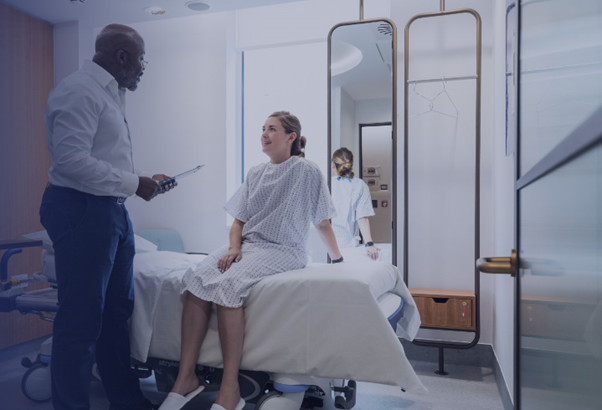
Endoscopy vs Colonoscopy Which is Painful
The pain due to colonoscopies and endoscopies is usually tolerated easily with the aid of anesthesia or sedation. Endoscopy usually examines upper digestive tract while colonoscopy looks at the colon. Patients may feel some discomforted symptoms following a colonoscopy.
Patients may feel:
- Pressure
- Cramps
- Bloating
Any pain felt by the patients is typically tolerable with medicine. People’s perceptions of pain might differ greatly.
Endoscopy vs Colonoscopy Procedure
An endoscope is a thin, flexible tube. It is inserted into the mouth of the patients and carefully moved down the throat and reach to the esophagus. The tube finally provides the view of small intestine. If the provider needs examination of different health conditions, then special instruments can be attached to the endoscopic device.
These instruments are useful for:
- opening a stricture (narrowed area)
- retrieving food trapped in the upper gastrointestinal tract
- extracting tissue samples to go through biopsy
Endoscopy can assist your provider in determining the best course of action for your health condition.
In general, an endoscopy may be the best option if you encounter:
- Chronic chest discomfort or heartburn
- Blood in the stool
- Abnormal soreness in the abdomen
- Constant bowel movements, such as constipation or diarrhea
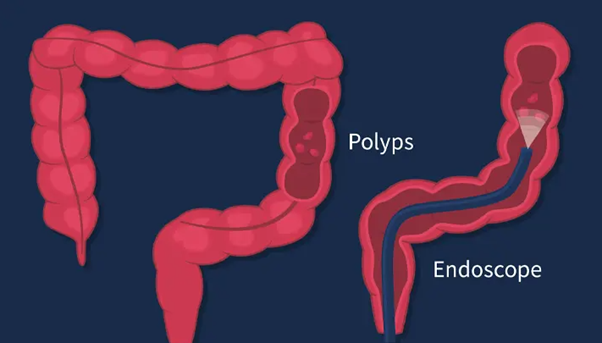
In case of colonoscopy, an endoscopic tube is gently inserted into the rectum. This tube is progressed further into the colon to undergo a colon examination. Healthcare provider can get a live video or image of the large intestine.
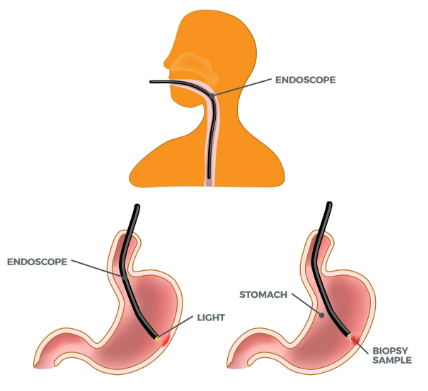
Providers can:
- remove precancerous polyps (growths) during colonoscopy examination
- perform tissue biopsies
- can determine the presence of cancer cells
If you become 45 or if you are associated with a family connection with colon cancer, you must get a colonoscopy screening. Additionally, if you frequently observe any of the following symptoms or indicators, a colonoscopy may be necessary:
- Cramps in the abdomen
- Thin or narrow stools
- Stools that are bloody
- Anal hemorrhage
- Unintentional weight loss
- Bloating
- Modification of bowel motions
- Chronic exhaustion
Endoscopy vs Colonoscopy vs Gastroscopy
Endoscopy refers to a broad range of examination technique. A healthcare provider uses endoscopy to view the internal organs of the body. Colonoscopy can examine both rectum and colon. Gastroscopy technique used to examine the upper digestive system.
It can examine the stomach, esophagus, and duodenum. Gastroscopy can also refer as an upper endoscopy. Every procedure is used to evaluate and make diagnoses various gastrointestinal tract disorders.
Endoscopy vs Colonoscopy Prep
There may be subtle variations in preparations according to the particular kind of endoscopy. Small incisions are necessary for some endoscopies but not for others.
There are some preparations according to healthcare providers:
- avoid solid foods on the day of the surgery.
- not take particular medicines. Anticoagulants and other drugs that alter bleeding are prohibited
- Your physician may prescribe laxatives or enemas to the night prior to an endoscopy if you have gastrointestinal problems in order to assist your body prepare for the examination.
Endoscopies are typically performed as outpatient treatments. In order to keep you pain-free, you will frequently be given sedation or anesthetic. The process and your preferences will determine the precise type. During your endoscopy, you can talk to your healthcare provider about this.
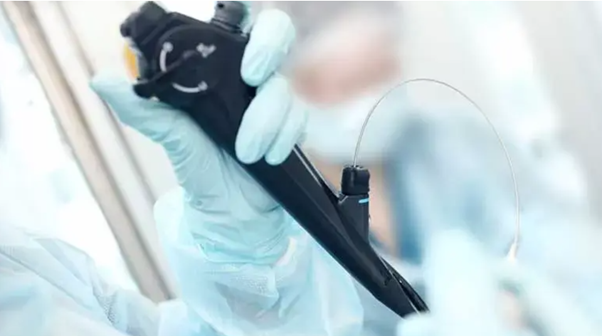
Endoscopy vs Colonoscopy Cost
The average cost of a colonoscopy and endoscopy is $750. This fee includes facility expenses but exclude provider’s consultation fee, anesthetic fee, and physician fees.
Endoscopy vs Colonoscopy Which is Worse
When we compare the risks of endoscopic processes, colonoscopy is said to have an increased risk of rupture. It is because of the length and curves of the colon. But the risks are rare and occur least frequently. The advantages of endoscopic examination are greatly exceeding any possible risk.
Endoscopy vs Colonoscopy vs Sigmoidoscopy
Endoscopes can be carried out through any natural opening. It depends on the condition of the patient and the location of internal organ that the physicians are examining. To examine the upper digestive tract, an endoscope is placed in your mouth.
It will examine your:
- stomach
- duodenum (the top portion of your small intestine)
- esophagus
In colonoscopy procedure, an endoscope is placed into your anus. It observes the lower portion of your gastrointestinal tract.
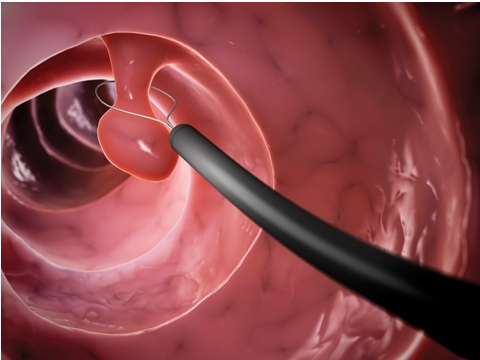
A sigmoidoscopy differs from a colonoscopy. It is a condensed version of the endoscopic operation.
A sigmoidoscopy:
- examines only the colon
- lower portion of the large intestinal tract
- occasionally it can even end at the rectum
Clinical Indications: When Do You Need an Endoscopy vs. a Colonoscopy?
Because upper endoscopy and colonoscopy evaluate opposite ends of the digestive system, doctors recommend them based on distinct clinical indications and presenting symptoms:
- When an Upper Endoscopy (EGD) is Recommended: Doctors order an upper endoscopy when symptoms originate in the upper gastrointestinal tract. Common triggers include persistent acid reflux (GERD) unresponsive to medications, chronic difficulty or pain when swallowing (dysphagia), persistent nausea, unexplained upper stomach pain, suspected peptic ulcers, celiac disease biopsy confirmation, and surveillance for Barrett's esophagus.
- When a Colonoscopy is Recommended: A colonoscopy is the gold standard procedure for evaluating the large intestine and rectum. It is recommended for routine colorectal cancer screening beginning at age 45 (or earlier for individuals with family history), investigating unexplained rectal bleeding or blood in stool, persistent diarrhea, chronic constipation, and diagnosing or monitoring inflammatory bowel diseases such as Crohn's disease and Ulcerative Colitis.
Benefits of Combined Dual Procedures (Same-Day Endoscopy & Colonoscopy)
In many clinical situations, a gastroenterologist will advise performing an upper endoscopy and a colonoscopy together in a single visit. For example, if a patient presents with unexplained iron-deficiency anemia or systemic weight loss, evaluating both the upper and lower digestive tracts is essential to identify the underlying cause. Scheduling a combined procedure offers substantial practical and financial advantages:
- Single Preparation & Fasting Period: You only need to take time off work once, undergo a single fasting period, and arrange for an adult driver for a single appointment.
- One Round of Sedation: Anesthesia is administered once for both procedures. The physician performs the upper endoscopy first (taking about 15 minutes), and immediately transitions to the colonoscopy (taking about 25 minutes), keeping total sedation time well under 45 minutes.
- Significant Cost Savings: When both procedures are performed during the same surgical session, patients and insurers save substantially because only a single facility fee is billed, and anesthesia costs are combined rather than doubled.
Bowel Prep Survival Guide and Practical Tips
While upper endoscopy requires simple fasting from midnight before your procedure, colonoscopy preparation requires drinking laxative solutions to cleanse the colon completely. Here are proven clinical tips to make bowel prep easier to tolerate:
- Chill the Preparation Solution: Keep the mixed solution in the refrigerator. Drinking it cold significantly reduces the salty taste.
- Use a Drinking Straw: Drinking through a wide straw positioned toward the back of your tongue bypasses most of your taste buds.
- Sip Clear Flavored Liquids: In between glasses of prep, suck on clear hard candies, lemon slices, or sip clear ginger ale or apple juice (avoiding anything with red, purple, or blue food coloring).
- Follow the Split-Dose Regimen: Taking half the prep solution the evening prior and the second half 4 to 5 hours before your morning procedure leads to a cleaner colon, higher polyp detection rates, and less gastrointestinal cramping.
The healthcare cost estimates, clinical descriptions, and patient guidance presented on EndoscopyCost.com are compiled using peer-reviewed gastroenterology literature, public fee schedules from the Centers for Medicare & Medicaid Services (CMS), and procedural standards established by the American Society for Gastrointestinal Endoscopy (ASGE) and the American College of Gastroenterology (ACG).
Frequently Asked Questions
What is the Main Difference Between Endoscopy and Colonoscopy?
An upper endoscopy (EGD) examines the upper digestive tract (esophagus, stomach, and duodenum) by inserting a flexible scope through the mouth. A colonoscopy evaluates the entire large intestine (colon and rectum) by inserting a colonoscope through the rectum.
Which Procedure is More Painful: Endoscopy or Colonoscopy?
Neither procedure is considered painful because both are performed under sedation. However, patients often report that the preparation for a colonoscopy (drinking laxative bowel cleanout solutions) is more uncomfortable than the fasting required for an upper endoscopy.
What is the Difference Between Endoscopy, Colonoscopy, and Gastroscopy?
Endoscopy is an umbrella term for any procedure using an endoscope. Gastroscopy specifically refers to visual examination of the stomach (part of an upper endoscopy / EGD). Colonoscopy specifically refers to examination of the large bowel.
Does an Endoscopy Cost More Than a Colonoscopy?
Upper endoscopy and colonoscopy have comparable pricing ranges ($1,500 to $4,500 without insurance). When both procedures are scheduled and performed together during the same visit (dual endoscopy/colonoscopy), patients save significantly on facility and anesthesia fees.